Xfinity 500 Mbps vs. 1 Gig: Is Upgrading Really Worth It?
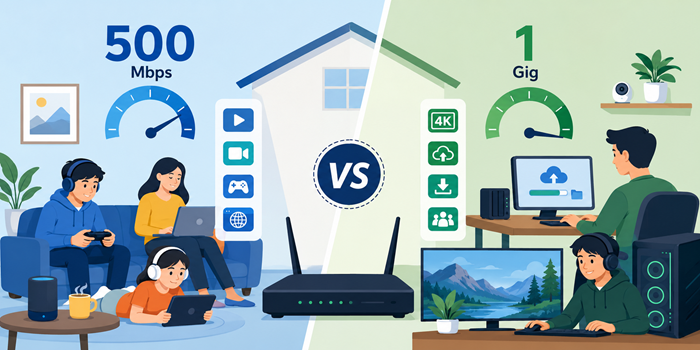
When shopping for home internet, one question comes up again and again: should you stick with a solid 500 Mbps connection or spend more for a full gigabit plan?
With streaming, gaming, remote work, smart home devices, and cloud storage becoming part of everyday life, choosing the right internet speed can have a real impact on your online experience. At the same time, nobody wants to pay extra for bandwidth they’ll never use.
If you’re comparing Xfinity internet options and wondering whether a gigabit connection is worth the upgrade, this guide breaks down the real-world differences, who benefits most, and when saving money makes more sense.
Understanding the Difference Between 500 Mbps and 1 Gig
Before deciding which plan fits your needs, it’s important to understand what these speeds actually mean.
A 500 Mbps plan can theoretically download up to 500 megabits of data per second, while a 1 Gig plan offers up to 1,000 megabits per second. In simple terms, the gigabit option provides roughly double the download capacity.
However, internet performance isn’t always about raw speed. The number of users in your household, connected devices, online activities, and network setup all influence your experience.
For many households, 500 Mbps already delivers more speed than they regularly use.
What Can You Do With 500 Mbps Internet?
A 500 Mbps connection is surprisingly powerful for most modern homes.
With this speed, you can comfortably:
Stream multiple 4K videos simultaneously
Attend video conferences without interruptions
Play online games with low latency
Connect dozens of smart home devices
Download large files quickly
Work remotely while others stream or browse
For a family of three to five people, 500 Mbps often provides more than enough bandwidth for everyday activities.
Unless you’re regularly transferring massive files or supporting many simultaneous power users, you may never fully utilize higher speeds.
What Can You Do With 1 Gig Internet?
A gigabit connection is designed for heavier internet demands.
With a 1 Gig plan, households can:
Download huge game files faster
Transfer large media projects efficiently
Support many simultaneous users
Run bandwidth-intensive smart homes
Stream multiple 4K and 8K videos
Back up large amounts of data to the cloud
The appeal of gigabit internet is less about everyday browsing and more about handling peak demand with ease.
This is why many people researching the xfinity gigabit plan are typically power users, content creators, gamers, or households with exceptionally high internet usage.
Real-World Speed Differences
On paper, doubling your internet speed sounds like a major upgrade.
In practice, the difference often feels smaller than expected.
For example:
Most online activities simply don’t require hundreds of megabits per second.
That’s why many users notice little difference during normal browsing, streaming, and work-from-home tasks.
Who Actually Need Xfinity Gigabit?
While gigabit internet sounds appealing, not everyone truly needs it.
Large Families With Heavy Usage
Homes with six or more active users often benefit from additional bandwidth.
When several people stream, game, attend meetings, and download files simultaneously, gigabit speeds can help maintain consistent performance.
Content Creators
Video editors, photographers, livestreamers, and creators frequently move large files between devices and cloud platforms.
The faster transfer speeds can save significant time over the course of a month.
Serious Gamers
Online gaming itself doesn’t require gigabit speeds.
However, modern game installations and updates can exceed 100 GB. Faster download speeds mean less waiting and more playing.
Smart Homes With Many Connected Devices
Some modern households have dozens of connected devices, including:
Security cameras
Smart speakers
Smart TVs
Doorbell cameras
Home automation systems
Gigabit service can provide additional capacity for these environments.
Remote Professionals
Users who frequently upload large presentations, design files, video content, or backups may appreciate the extra speed.
When 500 Mbps Is the Better Value
Many consumers assume faster automatically means better.
In reality, internet plans should match actual usage.
A 500 Mbps connection is often the smarter choice if:
Your household has fewer than five users
You mainly stream and browse
You work remotely but don’t upload massive files
You want to reduce monthly costs
You don’t regularly experience bandwidth limitations
In these situations, upgrading to gigabit may not provide a noticeable improvement.
Instead, the extra money could be invested in a better router, mesh Wi-Fi system, or other home technology upgrades.
Comparing Costs and Value
The biggest factor in the decision is often price.
Many shoppers researching the xfinity gigabit price discover that the cost difference varies depending on promotions, location, and contract terms.
Rather than focusing only on speed numbers, evaluate the cost per benefit.
Ask yourself:
Do current speeds feel slow?
Are multiple users competing for bandwidth?
Are large downloads affecting productivity?
Do you frequently hit network limitations?
If the answer is no, the gigabit upgrade may not provide enough value to justify the additional monthly expense.
How Your Wi-Fi Setup Affects Performance
One commonly overlooked factor is the home network itself.
Many users upgrade internet speeds only to discover their router becomes the bottleneck.
Before moving to gigabit service, ensure:
Your router supports gigabit speeds
Wi-Fi standards are up to date
Devices support modern wireless technology
Network placement is optimized
A strong network setup often produces a bigger improvement than simply increasing internet speed.
If you’re evaluating an xfinity internet plan, make sure your equipment can fully utilize the speed you’re paying for.
Xfinity vs Other Major Internet Providers
Many consumers compare providers before upgrading.
When reviewing options, factors such as reliability, coverage, customer support, and pricing can matter just as much as speed.
For a detailed comparison of comcast xfinity and charter spectrum, it’s worth examining how each provider approaches speed tiers, network availability, and overall value.
Since service quality varies by region, local availability should also influence your decision.
Getting the Most From Your Internet Connection
Whether you choose 500 Mbps or 1 Gig, maximizing performance matters.
Here are a few tips:
Upgrade Your Router
Older routers may not deliver advertised speeds.
Use Ethernet for Critical Devices
Wired connections provide the most consistent performance.
Position Equipment Properly
Avoid placing routers behind walls, furniture, or electronics.
Monitor Connected Devices
Excessive background activity can consume bandwidth.
Optimize Installation
A proper setup helps eliminate common connectivity issues. If you’re setting up service yourself, reviewing a guide on how to self-install xfinity internet service can help ensure the best experience from day one.
Looking Beyond Speed
Internet shopping shouldn’t be based solely on the biggest number available.
Factors such as:
Reliability
Consistency
Equipment quality
Customer support
Promotional pricing
can significantly impact your experience.
Some households may even benefit from exploring the best home wi-fi and internet providers in the USA before making a final decision.
Comparing plans based on overall value often leads to better long-term satisfaction.
Can You Lock In Your Internet Costs?
Pricing stability is another important consideration.
Many customers prefer predictable monthly bills rather than promotional rates that increase after a short period.
If budget certainty matters, it’s worth learning how to lock in your internet bill for 5 years with xfinity and potentially avoid future pricing surprises.
Final Verdict: Is the Gigabit Upgrade Worth It?
For most households, 500 Mbps offers an excellent balance of performance and affordability.
Streaming, gaming, remote work, video calls, and smart home devices can all run smoothly without requiring a gigabit connection.
However, if your household includes multiple heavy users, large file transfers, content creation workflows, or extensive cloud usage, upgrading to 1 Gig can provide meaningful benefits.
The key is matching your internet plan to your actual needs rather than simply choosing the fastest option available.
As more consumers search for reliable internet providers near me, understanding how speed translates into real-world performance can help prevent overspending and ensure you get the best value from your internet service.
It’s also worth noting that while many people still refer to the company as xfinity comcast, today’s service offerings are designed around modern connected households with a wide range of speed options to fit different lifestyles.
Frequently Asked Questions
1. Is 500 Mbps enough for a family of four?
Yes, 500 Mbps is typically more than enough for streaming, gaming, video calls, and everyday internet use.
2. Does 1 Gig internet improve online gaming?
It mainly reduces download times; gameplay itself usually sees little improvement.
3. How many devices can 500 Mbps support?
A 500 Mbps connection can comfortably support dozens of connected devices.
4. Should I upgrade to gigabit internet for streaming?
Most households can stream multiple 4K videos without needing gigabit speeds.
5. Is gigabit internet worth the extra cost?
It depends on your usage; heavy users benefit most while average households often do not.
Related Posts
 Broadband Deals
What Is TDS Internet and Is It Right for Your Home?
Learn what TDS Internet is, how it works, available plans, pricing, speeds, benefits, and how it compares with other internet providers.
 Internet Bundles
Bundle Internet, TV, and Phone Without Overpaying
Learn how to bundle internet, TV, and phone services for the best value. Compare plans, avoid hidden fees, and choose the right package for your home.
 Broadband Deals
cable deal
cheap internet deals
Broadband Deals
cable deal
cheap internet deals
Chicago Neighborhood Internet Guide for Better Connectivity
Explore internet options across Chicago neighborhoods, compare providers, understand speeds, costs, and find the best broadband solution.
 Technology
Wifi
Technology
Wifi
7 Reasons You Can’t Connect to the Internet (and How to Fix Them)
Learn the 7 most common reasons you can’t connect to the internet and discover practical troubleshooting steps to restore your Wi-Fi or wired connection fast.
 Broadband Deals
cable deal
cheap internet deals
Technology
Broadband Deals
cable deal
cheap internet deals
Technology
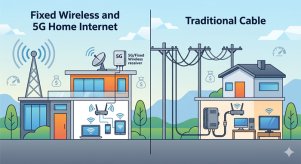
Fixed Wireless vs 5G Home Internet: Better Than Cable?
Compare fixed wireless and 5G home internet with cable internet. Learn the pros, cons, speeds, costs, and which option fits your home best.