Bundle Internet, TV, and Phone Without Overpaying

If you’re paying separately for your internet, TV, and phone services, there’s a good chance you’re spending more than necessary. Many providers offer bundled packages that combine multiple services into one monthly bill, often with discounted pricing and extra perks.
The challenge isn’t finding a bundle—it’s finding one that actually matches your household’s needs. Some packages include channels you’ll never watch, internet speeds you don’t need, or long-term contracts that become expensive after promotional pricing expires.
This guide will walk you through how to compare internet, TV, and phone bundles, avoid common mistakes, and choose a package that delivers the best value without sacrificing reliability.
Why Bundling Internet, TV, and Phone Can Save You Money
Bundling means purchasing multiple services from the same provider. Instead of paying separate bills to different companies, you receive one package that typically includes internet, television, and home phone service.
Many households choose to bundle internet, TV, and phone services because providers reward customers who subscribe to multiple products.
Some of the biggest advantages include:
Lower monthly pricing compared to separate plans
One convenient monthly bill
Easier account management
Bundled customer support
Promotional offers such as free installation or streaming services
While bundles often provide savings, they’re only worthwhile if every service included is something you’ll actually use.
Evaluate Your Household’s Needs First
Before comparing providers, spend a few minutes identifying what your household actually requires.
Internet Usage
Internet speed is one of the biggest factors affecting price.
Ask yourself:
How many people use the internet daily?
Does anyone work from home?
Do you stream movies in 4K?
Do you play online games?
Are multiple devices connected throughout the day?
Choosing excessive speeds increases your monthly bill without providing noticeable benefits for most families.
TV Viewing Habits
Cable packages vary dramatically.
Consider:
Which channels do you watch regularly?
Are local channels enough?
Do you prefer sports packages?
Are premium movie channels important?
Would streaming services replace traditional TV?
Many households discover they can downgrade to a smaller package without missing anything.
Home Phone Requirements
Although mobile phones have replaced landlines for many people, home phone service still makes sense in certain situations.
It can be valuable for:
Seniors
Home businesses
Emergency backup communication
International calling plans
Families that prefer a dedicated household number
If no one uses a landline, don’t pay for it simply because it’s included in a bundle.
Compare More Than the Monthly Price
The advertised monthly rate rarely tells the complete story.
When comparing providers, pay close attention to what’s included after promotional pricing ends.
Contract Length
Some providers require:
No contract
One-year agreements
Two-year agreements
Longer contracts may offer lower introductory pricing but often include early cancellation fees.
Equipment Fees
Ask whether these items are included:
Wi-Fi router
Cable box
DVR
Phone modem
Monthly equipment rentals can significantly increase your bill over time.
Installation Charges
Some providers charge installation fees, while others waive them during promotions.
Before scheduling service, ask about:
Professional installation costs
Self-installation options
Activation fees
Equipment shipping fees
These one-time costs can affect the overall value of a bundle.
Look Beyond Promotional Pricing
Many internet providers advertise attractive introductory rates.
However, promotional pricing often lasts between 12 and 24 months before increasing.
Always ask:
What will my monthly bill be after the promotion?
Are taxes included?
Will equipment fees change?
Is there an annual price increase?
Understanding the long-term cost helps avoid surprises later.
Compare Internet Speeds Carefully
The fastest package isn’t always the best choice.
Here’s a general guideline:
| Household Activity | Recommended Speed |
|---|---|
| Email and browsing | 100 Mbps |
| HD streaming | 200–300 Mbps |
| Remote work | 300 Mbps+ |
| Gaming and multiple users | 500 Mbps+ |
| Large households | 1 Gbps |
Buying more speed than you actually need increases your monthly cost without improving everyday performance.
Read Customer Reviews Before Signing Up
Provider advertisements rarely mention common service issues.
Reading customer reviews helps you understand:
Reliability
Customer service quality
Billing accuracy
Installation experience
Network outages
Technical support responsiveness
Look for consistent patterns instead of focusing on individual complaints.
Don’t Be Afraid to Negotiate
Many customers accept the first offer they receive.
Instead, ask representatives whether additional discounts are available.
You may qualify for:
Lower monthly pricing
Free installation
Free equipment
Gift cards
Streaming subscriptions
Loyalty discounts
It never hurts to ask, especially if you’re switching providers.
Watch for Seasonal Promotions
Internet providers frequently run limited-time promotions throughout the year.
The best deals often appear during:
Back-to-school season
Black Friday
Holiday promotions
Spring sales
New customer campaigns
Timing your purchase carefully can lead to substantial savings.
Consider Streaming Alternatives
Traditional cable isn’t the only option anymore.
If your household mostly watches streaming platforms, you may save money by selecting a high-speed internet package and replacing cable with streaming services.
If you’re exploring entertainment options designed specifically for older adults, our article on streaming bundle options that make entertainment easier for seniors offers helpful insights.
Prepare for Installation Day
A little preparation makes installation much smoother.
Before your appointment:
Confirm your installation time
Ensure someone is home
Clear access to equipment locations
Verify electrical outlets are available
Ask what equipment the technician will provide
Taking these steps helps avoid delays.
Review Your Bundle Every Year
Your internet needs can change over time.
Review your plan annually by asking:
Am I using all the included services?
Has my promotional pricing expired?
Are faster plans available for less?
Would another provider offer better value?
Switching providers or renegotiating your current plan could save hundreds of dollars each year.
Common Mistakes to Avoid
Many customers make the same costly mistakes when selecting a bundle.
Avoid these pitfalls:
Choosing Based Only on Price
The cheapest package isn’t always the best value if service quality is poor.
Ignoring Hidden Fees
Equipment rentals, taxes, and activation charges can significantly increase your monthly bill.
Buying More Than You Need
Extra TV channels and ultra-fast internet speeds aren’t worthwhile if they’ll rarely be used.
Skipping the Fine Print
Always understand contract terms, cancellation policies, and promotional expiration dates before signing.
Tips for Getting the Best Bundle Deal
Use this quick checklist before making your decision:
Match internet speed to your household
Review TV channel lineups carefully
Decide whether you actually need a home phone
Ask about hidden fees
Confirm post-promotion pricing
Read customer reviews
Negotiate for better offers
Schedule installation during promotional periods
Review your plan annually
Following these steps helps ensure you’re getting the best overall value—not just the lowest advertised price.
Frequently Asked Questions
Is bundling internet, TV, and phone really cheaper?
In many cases, yes. Providers often offer discounts when multiple services are combined, although it’s important to compare the total long-term cost after promotional pricing ends.
Can I bundle internet and TV without a home phone?
Absolutely. Many providers offer internet and TV packages without requiring landline service.
How often should I compare providers?
Review your options at least once a year, especially when promotional pricing expires.
What internet speed do most families need?
Most households are well served with speeds between 300 and 500 Mbps, depending on the number of users and connected devices.
Should I rent or buy my router?
Buying your own compatible router may reduce monthly equipment rental fees over time, although you should confirm compatibility with your provider first.
Final Thoughts
Bundling internet, TV, and phone services remains one of the easiest ways to simplify your monthly bills while potentially reducing costs. The key is choosing a package that fits your lifestyle instead of paying for features you won’t use.
Take time to compare providers, understand contract terms, ask about promotional offers, and review your plan every year. A little research before signing up can lead to better service, fewer surprises, and meaningful long-term savings.
Related Posts
 Broadband Deals
What Is TDS Internet and Is It Right for Your Home?
Learn what TDS Internet is, how it works, available plans, pricing, speeds, benefits, and how it compares with other internet providers.
 Broadband Deals
cable deal
cheap internet deals
Broadband Deals
cable deal
cheap internet deals
Chicago Neighborhood Internet Guide for Better Connectivity
Explore internet options across Chicago neighborhoods, compare providers, understand speeds, costs, and find the best broadband solution.
 Technology
Wifi
Technology
Wifi
7 Reasons You Can’t Connect to the Internet (and How to Fix Them)
Learn the 7 most common reasons you can’t connect to the internet and discover practical troubleshooting steps to restore your Wi-Fi or wired connection fast.
 Broadband Deals
cable deal
cheap internet deals
Technology
Broadband Deals
cable deal
cheap internet deals
Technology
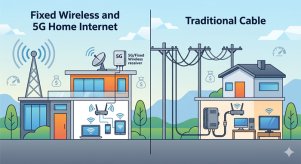
Fixed Wireless vs 5G Home Internet: Better Than Cable?
Compare fixed wireless and 5G home internet with cable internet. Learn the pros, cons, speeds, costs, and which option fits your home best.
 Regulations
Technology
Regulations
Technology
What Is Powerline Internet? Everything You Need to Know
Learn what Powerline Internet is, how it works, its pros and cons, speed, setup, and whether it’s the best solution for extending reliable internet at home.