Internet Plan Trends Shaping the US Market in 2026
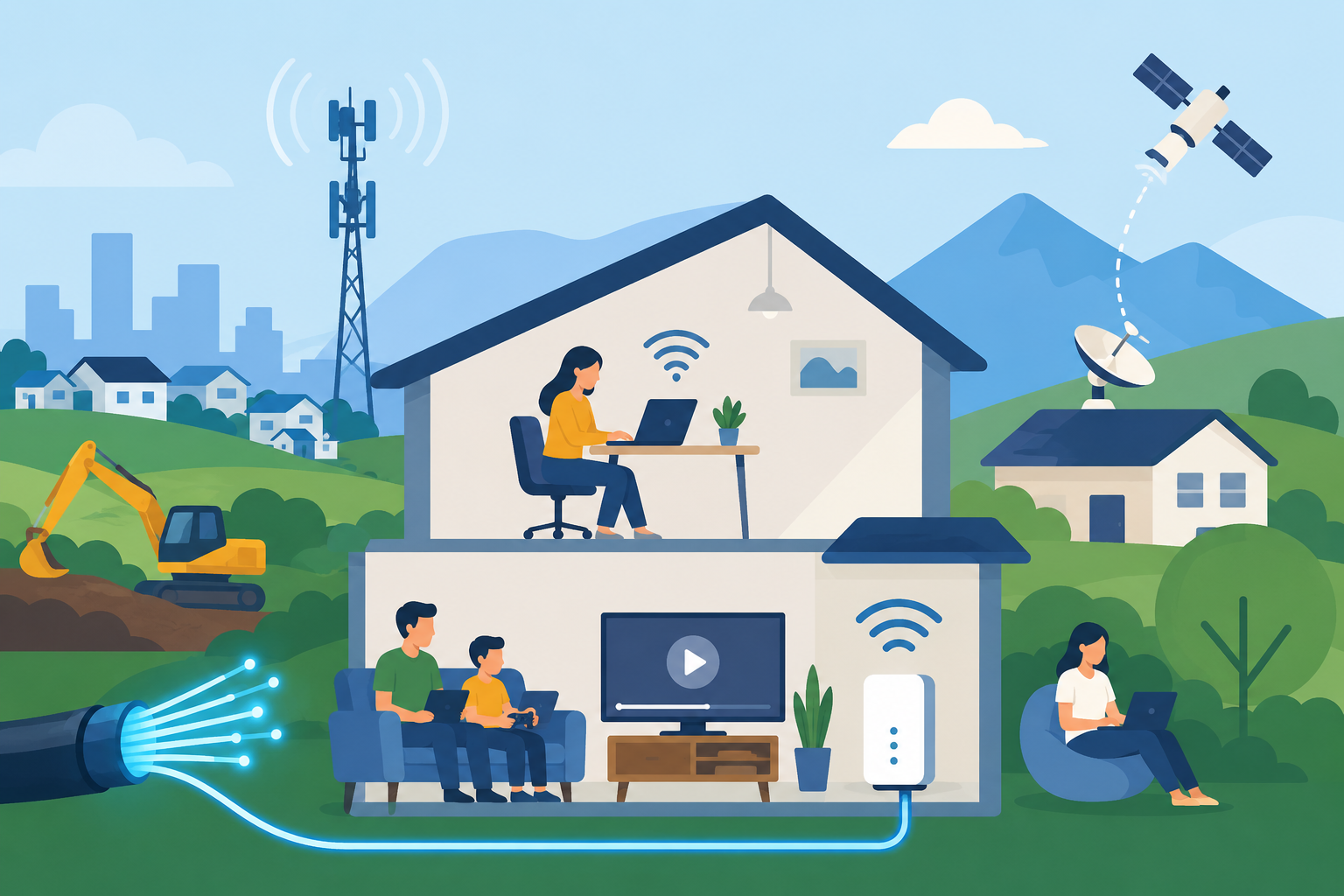
Reliable internet access has become one of the most important household utilities in the United States. Whether it’s remote work, online learning, streaming entertainment, smart home devices, or video conferencing, consumers now expect fast, stable, and affordable internet connections.
As a result, internet providers are investing heavily in infrastructure upgrades, expanding fiber networks, improving wireless technologies, and restructuring pricing models to stay competitive. The US broadband landscape is evolving quickly, and the choices available to consumers today look very different from just a few years ago.
From rural fiber expansion to hybrid connectivity solutions and multi-gigabit plans, several major trends are shaping the future of internet service across the country.
The Expansion of Fiber Internet Across America
One of the biggest developments in the broadband industry is the continued growth of fiber-optic internet service.
Fiber internet has long been considered the gold standard for residential connectivity because it delivers faster speeds, lower latency, and more reliable performance than traditional cable or DSL connections.
Federal Broadband Investments Are Accelerating Growth
Large-scale government initiatives are helping providers extend fiber networks into areas that historically lacked reliable broadband access.
Programs focused on rural connectivity are funding infrastructure projects designed to bring high-speed internet to underserved communities. As a result, many households that previously relied on slow connections now have access to modern broadband options.
This transition is especially significant for residents who have depended on older technologies like legacy DSL internet connections, which often struggle to meet modern bandwidth demands.
Multi-Gig Fiber Speeds Are Becoming More Common
Fiber providers are no longer competing solely on basic gigabit plans.
Many companies are now introducing multi-gigabit packages ranging from 2 Gbps to 10 Gbps. These services are made possible through upgrades to next-generation fiber technologies such as XGS-PON networks.
For households with multiple remote workers, gamers, content creators, and connected devices, these ultra-fast plans offer more capacity than ever before.
Symmetrical Upload and Download Speeds Matter
One of fiber’s biggest advantages is symmetrical performance.
Unlike many cable internet plans, which often provide slower upload speeds, fiber connections typically offer equal upload and download bandwidth. This makes a significant difference for activities such as:
Video conferencing
Cloud backups
Live streaming
Remote collaboration
Large file transfers
As remote work remains a permanent reality for many Americans, upload performance continues to gain importance.
Hybrid Connectivity Is Becoming the New Standard
Consumers increasingly expect uninterrupted internet access.
To meet these expectations, providers are developing hybrid connectivity solutions that combine multiple technologies into a single service experience.
Automatic Cellular Backup Systems
Many premium internet plans now include built-in failover protection.
If a primary fiber connection experiences an outage, the system can automatically switch to a wireless connection without requiring manual intervention.
These backup systems commonly rely on modern 5G wireless network technology, helping households stay connected during service interruptions.
For remote workers and home-based businesses, this added reliability can be extremely valuable.
Satellite Internet Continues to Expand
Low Earth Orbit (LEO) satellite networks are transforming internet access in rural America.
Traditional satellite services often struggled with latency and inconsistent performance. Newer LEO satellite systems operate much closer to Earth, allowing for significantly improved speeds and responsiveness.
This technology is helping connect locations where laying fiber infrastructure remains impractical or prohibitively expensive.
Consumers Want Reliability More Than Ever
While speed remains important, many households now prioritize reliability when selecting an internet provider.
Frequent outages can disrupt work, education, security systems, and entertainment. Hybrid network designs help minimize downtime and create a more resilient internet experience.
As providers compete for customers, uptime guarantees and network redundancy are becoming stronger selling points.
The Rise of Budget-Friendly Internet Plans
Not every household needs multi-gigabit speeds.
Internet providers are increasingly recognizing that consumers have different budgets and usage requirements.
This has created a noticeable split in pricing strategies.
Affordable Plans Target Cost-Conscious Households
Many providers are introducing streamlined plans that focus on affordability.
These packages typically offer:
Speeds around 200–300 Mbps
Lower monthly pricing
Standard equipment
Simplified billing structures
For families primarily using the internet for browsing, streaming, video calls, and schoolwork, these plans often provide more than enough performance.
Companies continue to refine pricing models to attract consumers looking to reduce monthly expenses without sacrificing reliability.
Competition Is Driving Lower Entry-Level Pricing
The growing number of internet providers entering local markets has increased competition.
Fiber companies, wireless carriers, and cable providers are all competing for the same customers, leading to more aggressive promotional offers and lower introductory pricing.
Consumers now have more opportunities to compare services and find plans that align with their needs.
Premium Internet Packages Continue to Grow
At the opposite end of the market, premium broadband services are expanding rapidly.
These plans target households that require exceptional performance and advanced networking capabilities.
Multi-Gig Plans Appeal to Power Users
High-performance internet packages often include:
1 Gbps to 10 Gbps speeds
Advanced Wi-Fi systems
Enhanced network management tools
Priority customer support
Improved security features
Remote professionals, gamers, streamers, and technology enthusiasts frequently choose these plans to maximize performance.
Smart Homes Are Increasing Bandwidth Demand
Modern households use more connected devices than ever before.
Smart TVs, security cameras, voice assistants, gaming consoles, smart thermostats, and connected appliances all consume bandwidth simultaneously.
As device counts continue to grow, consumers are increasingly interested in faster plans capable of supporting dozens of active connections without performance degradation.
Fiber and Fixed Wireless Are Winning Customer Satisfaction
Consumer preferences are shifting noticeably.
Recent market trends indicate that fiber internet providers and fixed wireless operators are outperforming many traditional cable providers in customer satisfaction.
Why Fiber Scores So Highly
Fiber networks offer several advantages:
Faster speeds
Better reliability
Lower latency
Symmetrical performance
Consistent pricing
These benefits contribute to stronger customer experiences and higher retention rates.
Fixed Wireless Is Improving Rapidly
Advancements in 5G technology have significantly improved fixed wireless internet.
In many markets, fixed wireless services now provide speeds capable of supporting streaming, gaming, remote work, and everyday household usage.
For consumers who cannot access fiber service, fixed wireless often represents an attractive alternative.
Traditional Cable Providers Face Greater Competition
Cable companies remain major players in the broadband market, but they are facing increasing pressure from newer technologies.
Consumers now have more alternatives than ever before, creating a competitive environment that encourages providers to improve service quality, pricing transparency, and customer support.
What Consumers Should Consider When Choosing an Internet Plan
With so many options available, selecting the right internet plan requires careful evaluation.
Assess Your Household’s Usage
Consider factors such as:
Number of users
Streaming habits
Remote work requirements
Gaming activity
Smart home devices
Understanding your usage patterns helps prevent overpaying for unnecessary speed.
Compare Reliability Alongside Speed
Fast speeds are valuable, but reliability often has a greater impact on daily internet experiences.
Look for providers with strong service records and minimal outage histories.
Review Equipment and Additional Fees
Some providers include equipment at no extra cost, while others charge monthly rental fees.
Review the total monthly cost rather than focusing solely on advertised pricing.
Explore Available Providers in Your Area
Internet availability varies significantly by location.
Many consumers discover that newer fiber providers offer competitive alternatives to traditional options. Using tools that help compare local availability can simplify the decision-making process.
The Future of Internet Service in the United States
The broadband industry continues to evolve rapidly.
Fiber expansion, hybrid connectivity solutions, advanced wireless technologies, and flexible pricing structures are reshaping how Americans connect to the internet.
Consumers are benefiting from greater competition, improved reliability, and faster speeds than ever before.
As infrastructure investments continue and new technologies mature, the future of internet service appears focused on one primary goal: delivering dependable, high-performance connectivity to every household, regardless of location.
Frequently Asked Questions
What is the biggest trend in US internet service today?
The continued expansion of fiber-optic internet is one of the most significant trends. Providers are rapidly extending fiber coverage into both urban and rural communities.
Are multi-gig internet plans worth it?
They can be beneficial for large households, remote workers, gamers, content creators, and users who regularly transfer large files. However, many households are well-served by plans between 300 Mbps and 1 Gbps.
Is fiber better than cable internet?
Fiber generally offers faster speeds, lower latency, better reliability, and symmetrical upload and download performance compared to traditional cable internet.
What is hybrid internet connectivity?
Hybrid connectivity combines multiple internet technologies, such as fiber and 5G wireless, to provide backup service during outages and improve overall reliability.
Will rural areas continue getting better internet access?
Yes. Government funding initiatives and private infrastructure investments continue to expand broadband access into underserved rural communities across the United States.
Related Posts
 Broadband Deals
What Is TDS Internet and Is It Right for Your Home?
Learn what TDS Internet is, how it works, available plans, pricing, speeds, benefits, and how it compares with other internet providers.
 Internet Bundles
Bundle Internet, TV, and Phone Without Overpaying
Learn how to bundle internet, TV, and phone services for the best value. Compare plans, avoid hidden fees, and choose the right package for your home.
 Broadband Deals
cable deal
cheap internet deals
Broadband Deals
cable deal
cheap internet deals
Chicago Neighborhood Internet Guide for Better Connectivity
Explore internet options across Chicago neighborhoods, compare providers, understand speeds, costs, and find the best broadband solution.
 Technology
Wifi
Technology
Wifi
7 Reasons You Can’t Connect to the Internet (and How to Fix Them)
Learn the 7 most common reasons you can’t connect to the internet and discover practical troubleshooting steps to restore your Wi-Fi or wired connection fast.
 Broadband Deals
cable deal
cheap internet deals
Technology
Broadband Deals
cable deal
cheap internet deals
Technology
Fixed Wireless vs 5G Home Internet: Better Than Cable?
Compare fixed wireless and 5G home internet with cable internet. Learn the pros, cons, speeds, costs, and which option fits your home best.