Does Budget Cable Internet Affect Gaming and Streaming?
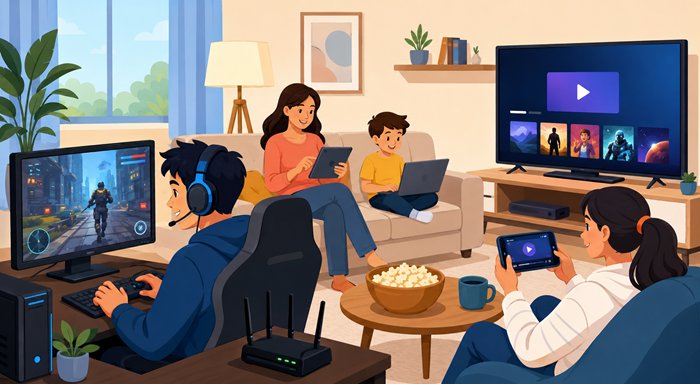
Gaming and streaming have become everyday essentials in many households. Whether you’re competing in online multiplayer matches, watching movies in 4K, or attending virtual meetings, a reliable internet connection plays a major role in your overall experience.
One question that comes up frequently is whether choosing a lower-cost cable internet package can negatively affect performance. Many people assume that paying less automatically means slower speeds, more lag, and constant buffering. However, the reality is more nuanced.
In this guide, we’ll explore how affordable cable internet plans impact gaming and streaming, what factors matter most, and how to choose the right connection without overspending.
Understanding How Cable Internet Works
Cable internet delivers connectivity through the same coaxial cable network traditionally used for television services. Because this infrastructure is already available in many neighborhoods, cable internet often provides a practical balance between speed, availability, and affordability.
When evaluating a connection, it’s important to understand that performance isn’t determined solely by price. Network congestion, equipment quality, plan speed, and household usage all contribute to the overall experience.
Many households searching for a cheap internet cable option are surprised to learn that modern cable networks can easily support most entertainment and gaming needs when paired with the right plan.
Cable remains one of the most widely available broadband technologies because it offers a balance between affordability and performance. For households looking for a cheap cable internet service, modern cable networks often provide enough speed for gaming, streaming, remote work, and everyday browsing.
Does a Lower-Priced Internet Plan Cause Gaming Lag?
The short answer is: not necessarily.
Online gaming depends on several factors beyond download speed.
Latency Matters More Than Raw Speed
Latency, often measured as ping, refers to the time it takes for data to travel between your device and a game server.
For most online games:
Under 30ms is excellent
30–60ms is very good
60–100ms is playable
Above 100ms may cause noticeable lag
A budget-friendly cable package can still deliver low latency if the provider maintains a strong network in your area.
Bandwidth Requirements Are Often Overestimated
Many gamers believe they need extremely fast internet speeds. In reality, most online games use relatively little bandwidth.
Typical gaming bandwidth needs:
Online multiplayer: 3–10 Mbps
Voice chat: 1–3 Mbps
Game updates and downloads: higher speeds preferred
If gaming is your primary activity, even a modestly priced connection may perform perfectly well.
How Streaming Performance Is Affected
Streaming services require more bandwidth than online gaming, especially at higher resolutions.
Recommended Streaming Speeds
Most streaming platforms suggest:
Problems arise when multiple people stream simultaneously while others game, browse, or download files.
This is where selecting the right package becomes important.
A household that combines television and internet services through a cable tv with internet package should ensure the plan offers sufficient bandwidth for all connected devices.
The Real Reason Gaming and Streaming Slow Down
Many users blame their internet package when performance issues occur. In reality, other factors are often responsible.
Network Congestion
Cable internet uses shared neighborhood infrastructure.
During peak evening hours, many users are online simultaneously, which can affect performance.
Modern providers continue upgrading their networks to minimize these effects, but congestion can still occur in some locations.
Wi-Fi Limitations
One of the biggest causes of lag and buffering isn’t the internet connection itself—it’s Wi-Fi.
Common Wi-Fi issues include:
Router placement
Signal interference
Older hardware
Too many connected devices
Using Ethernet for gaming can significantly improve consistency.
Outdated Equipment
Older modems and routers may struggle to handle modern internet speeds.
Upgrading equipment often produces noticeable improvements without changing providers or plans.
Choosing the Right Speed for Gaming and Streaming
Not every household requires a premium-tier plan.
For Casual Users
If your household primarily browses the web, streams occasionally, and participates in light gaming, a moderate-speed package is usually sufficient.
For Families
Households with multiple users should consider higher-speed plans to avoid congestion during peak usage periods.
If you’re comparing providers, reviewing the best internet providers can help identify plans that match your usage patterns without exceeding your budget.
For Competitive Gamers
Competitive players should focus on:
Low latency
Reliable uptime
Stable connections
Ethernet compatibility
Speed is important, but consistency is often more valuable.
Should You Bundle Internet and TV Services?
Bundling remains a popular option because it can simplify billing and reduce overall monthly costs.
A well-structured cheap internet cable bundle may provide enough bandwidth for streaming, gaming, and daily online activities while offering television services under a single package.
The key is evaluating the actual value rather than focusing solely on promotional pricing.
Cable Internet vs Other Technologies
Consumers today can choose from several internet technologies.
Fiber Internet
Fiber typically offers:
Extremely low latency
Symmetrical upload and download speeds
Exceptional reliability
However, availability remains limited in some areas.
5G Home Internet
5G home internet continues expanding and may provide competitive speeds depending on location.
For a deeper comparison of available technologies, explore fiber, cable, or 5G home internet to understand the strengths and limitations of each option.
Cable Internet
Cable remains one of the most widely available broadband solutions and often delivers strong value for households seeking dependable connectivity without premium pricing.
What About Xfinity and Comcast Services?
Many consumers researching affordable internet plans eventually encounter internet xfinity offerings because of the provider’s extensive coverage across the United States.
Similarly, households evaluating comcast internet and cable packages often find multiple speed tiers designed to accommodate different usage requirements.
The important factor isn’t the provider name alone but whether the selected plan aligns with your household’s bandwidth needs.
Streaming Services vs Traditional Cable TV
As streaming platforms continue growing, many consumers wonder whether traditional television packages still make sense.
Cost, content preferences, and viewing habits all influence the decision.
Before making a switch, reviewing the differences between cable TV vs. streaming services can provide valuable insight into which option best fits your entertainment needs.
How to Get Better Performance Without Spending More
Improving your online experience doesn’t always require upgrading to a more expensive plan.
Position Your Router Correctly
Place the router:
Near the center of your home
Away from walls and large metal objects
Elevated when possible
Use Ethernet for Gaming
Wired connections typically provide:
Lower latency
Greater stability
Reduced packet loss
Limit Background Downloads
Automatic updates, cloud backups, and large downloads can consume bandwidth unexpectedly.
Upgrade Older Hardware
A modern router can dramatically improve coverage and performance throughout your home.
Review Promotions Regularly
Providers frequently introduce new packages and discounts.
Exploring the best cable deal may reveal opportunities to improve value without significantly increasing monthly costs.
Is Cheap Internet Always a Bad Choice?
Absolutely not.
An affordable plan can perform exceptionally well when:
Speeds match household usage
Equipment is updated
Network congestion is minimal
Wi-Fi is optimized
Many households successfully stream, game, work remotely, and browse the web using a cheap internet and cable package that costs far less than premium alternatives.
The key is selecting the right plan rather than assuming the most expensive option is automatically better.
For many consumers seeking a reliable cheap internet plan, understanding actual usage requirements prevents unnecessary overspending while still delivering excellent performance.
Conclusion
A lower-cost cable internet package does not automatically slow down gaming or streaming. In many cases, performance depends more on latency, network quality, equipment, and household usage than on the monthly price of the plan.
By choosing appropriate speeds, optimizing your home network, and understanding your internet needs, you can enjoy smooth gaming sessions and buffer-free streaming without paying for bandwidth you don’t actually use.
The best approach is to evaluate how your household uses the internet, compare available options, and select a plan that balances performance and value.
FAQs
1. Can affordable cable internet handle online gaming?
Yes, many budget cable plans provide enough speed and low latency for online gaming.
2. What internet speed is best for 4K streaming?
Most 4K streaming services recommend at least 25 Mbps.
3. Does cable internet have higher latency than fiber?
Generally yes, but cable can still provide excellent gaming performance.
4. Will using Wi-Fi affect gaming performance?
Yes, Wi-Fi can introduce latency and instability compared to Ethernet.
5. Is bundling TV and internet worth it?
It can be worthwhile if the combined package offers meaningful savings.
Related Posts
 Broadband Deals
cable deal
cheap internet deals
Broadband Deals
cable deal
cheap internet deals
Chicago Neighborhood Internet Guide for Better Connectivity
Explore internet options across Chicago neighborhoods, compare providers, understand speeds, costs, and find the best broadband solution.
 Technology
Wifi
Technology
Wifi
7 Reasons You Can’t Connect to the Internet (and How to Fix Them)
Learn the 7 most common reasons you can’t connect to the internet and discover practical troubleshooting steps to restore your Wi-Fi or wired connection fast.
 Broadband Deals
cable deal
cheap internet deals
Technology
Broadband Deals
cable deal
cheap internet deals
Technology
Fixed Wireless vs 5G Home Internet: Better Than Cable?
Compare fixed wireless and 5G home internet with cable internet. Learn the pros, cons, speeds, costs, and which option fits your home best.
 Regulations
Technology
Regulations
Technology
What Is Powerline Internet? Everything You Need to Know
Learn what Powerline Internet is, how it works, its pros and cons, speed, setup, and whether it’s the best solution for extending reliable internet at home.
 Broadband Deals
cheap internet plans
Broadband Deals
cheap internet plans
Spectrum Internet Cost After 12 Months Explained
Learn how much Spectrum Internet costs after promotional pricing ends. Discover standard rates, billing factors, and ways to reduce monthly costs.