Best VPNs for Comcast Xfinity: Fast, Private & Reliable
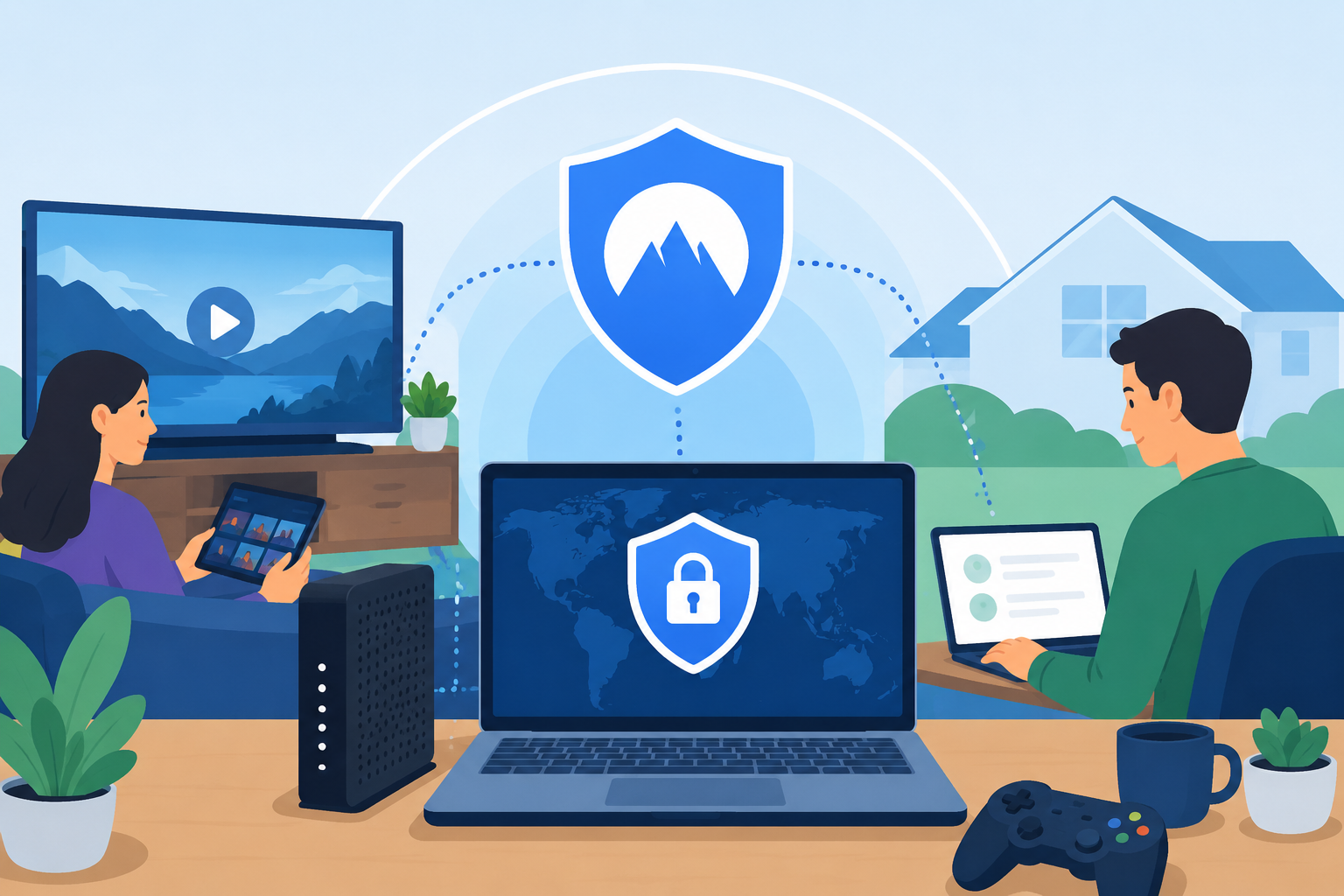
Comcast Xfinity remains one of the largest internet service providers in the United States, offering broadband, TV, and phone services to millions of households. Many users rely on it for daily streaming, remote work, and gaming.
Despite its popularity, many subscribers raise concerns about speed consistency, privacy practices, and occasional performance drops during high-usage activities like streaming or large downloads. These issues have led more users to consider VPNs as a practical solution for better privacy and more stable performance.
A VPN (Virtual Private Network) helps encrypt your internet traffic, hide your online activity, and potentially reduce ISP-related slowdowns. It also unlocks access to content restricted in certain regions, also known as understanding geo blocking.
In this guide, we’ll break down the best VPNs for Comcast Xfinity, what features matter most, and how each option performs in real-world use cases like streaming, gaming, and secure browsing.
Why Comcast Xfinity Users Consider VPNs
There are several reasons Xfinity users turn to VPNs, and most of them come down to performance control and privacy protection.
ISP throttling concerns
One of the most common complaints among users is speed throttling during high-bandwidth activities such as Netflix streaming, torrenting, or gaming updates. While Comcast has stated it no longer practices throttling in most cases, users continue reporting inconsistent speeds during peak hours. You can read more about historical concerns in these internet throttling reports.
A VPN can help reduce this issue by masking your traffic type, making it harder for an ISP to selectively slow down specific activities.
Privacy and data tracking
Like many ISPs, Comcast Xfinity collects metadata about user activity. While this is often used for network optimization, many users prefer not to have their browsing habits tracked or analyzed.
A VPN encrypts your data, making it unreadable to third parties, including your ISP.
Accessing geo-restricted content
Streaming platforms often restrict content based on location. VPNs allow users to connect to servers in other countries, unlocking libraries that would otherwise be unavailable.
Key Features to Look for in a VPN for Xfinity
Before choosing a VPN, it’s important to understand what actually matters for Comcast users.
Fast and stable speeds
Since Xfinity is often used for streaming and gaming, speed is a top priority. A good VPN should minimize speed loss.
Large U.S. server network
A strong U.S. server presence ensures better connectivity, lower latency, and easier access to domestic content.
Strong encryption standards
Look for AES-256 encryption, a strict no-logs policy, and secure tunneling protocols like WireGuard or OpenVPN.
Multi-device support
Households typically have multiple devices connected at once. A VPN should support several simultaneous connections.
Money-back guarantee
A risk-free trial period allows you to test performance with your Xfinity connection before committing.
Best VPNs for Comcast Xfinity
1. Private Internet Access (PIA)
Private Internet Access is a strong choice for users who want customization and affordability without sacrificing security.
PIA offers solid encryption standards, a large server network, and support for up to 10 devices at once. It is especially useful for users who want control over their connection settings.
Its performance is consistent for browsing, streaming, and general use, making it a balanced option for Xfinity customers.
2. NordVPN
NordVPN is one of the most popular VPN services globally, known for its speed and security balance.
It offers a massive network of over 1,700 U.S. servers, which makes it highly reliable for Comcast Xfinity users looking for stable local connections.
With advanced features like Double VPN and Threat Protection, NordVPN is ideal for users who prioritize both privacy and performance. Its WireGuard-based NordLynx protocol helps maintain fast speeds even during peak hours.
3. Windscribe
Windscribe stands out for its flexible free plan and unlimited device connections, which is rare in the VPN industry.
It’s a good option for users who want to test VPN functionality without committing to a paid plan. While its speeds may vary depending on server load, it still performs well for basic streaming and browsing.
Windscribe also offers strong ad-blocking and firewall features, making it useful for everyday privacy protection.
4. ExpressVPN
ExpressVPN is widely regarded as one of the fastest and most user-friendly VPNs available.
It provides consistently high speeds, making it ideal for 4K streaming, gaming, and large downloads on Xfinity connections. The service maintains a large network of U.S. servers, ensuring low latency and stable performance.
Its simple interface also makes it suitable for beginners who want a plug-and-play VPN experience without complex settings.
How VPNs Improve Your Xfinity Experience
Better streaming performance
With the right VPN, users can avoid bandwidth throttling and enjoy smoother streaming on platforms like Netflix, Hulu, and Disney+.
More stable gaming connections
VPNs can sometimes reduce ping fluctuations caused by ISP routing issues, especially when connecting to optimized servers.
Enhanced security on public networks
If you use Xfinity hotspots or public Wi-Fi, a VPN ensures your data stays encrypted and protected from potential threats.
Potential Downsides of Using a VPN with Xfinity
While VPNs offer many benefits, there are a few considerations to keep in mind.
Slight speed reduction
All VPNs introduce some level of encryption overhead, which can slightly reduce speed depending on the server distance.
Server selection matters
Choosing a distant server can increase latency. For best performance, users should select nearby U.S. servers when using Xfinity.
Streaming platform detection
Some streaming services actively block VPN IPs, so not all servers will work consistently for unlocking content.
Choosing the Right VPN for Your Needs
If your priority is affordability and control, Private Internet Access is a solid choice.
For users focused on speed and premium security, NordVPN is a top-tier option.
If you want a free entry point, Windscribe offers flexibility without immediate cost.
For the best all-around performance, ExpressVPN remains one of the most reliable choices for Xfinity users.
FAQ
Is it legal to use a VPN with Comcast Xfinity?
Yes, using a VPN is legal in most countries, including the United States. However, it must be used in accordance with local laws and service terms.
Will a VPN completely stop throttling?
Not always. While a VPN can reduce throttling by hiding your traffic type, it cannot guarantee complete prevention in every case.
Can I use a free VPN with Xfinity?
Yes, but free VPNs often have limitations in speed, server availability, and security. Windscribe is one of the more reliable free options.
Will a VPN improve my internet speed?
A VPN typically does not increase raw speed, but it can improve consistency by avoiding ISP traffic shaping in some cases.
Which VPN works best for streaming?
ExpressVPN and NordVPN are generally the most reliable for streaming due to their speed and server coverage.
Final Thoughts
Using a VPN with Comcast Xfinity is less about hiding and more about gaining control over your internet experience. Whether you want better privacy, smoother streaming, or more consistent speeds, the right VPN can make a noticeable difference.
The best approach is to choose a provider that matches your usage style—whether that’s affordability, speed, or ease of use—and test it with your own connection to see the real-world performance.
Related Posts
 Broadband Deals
cheap internet plans
Broadband Deals
cheap internet plans
Spectrum Internet Cost After 12 Months Explained
Learn how much Spectrum Internet costs after promotional pricing ends. Discover standard rates, billing factors, and ways to reduce monthly costs.
 Internet Bundles
Broadband Deals
Internet Bundles
Broadband Deals
Best Rural Internet Providers to Keep You Connected in 2026
Discover the best rural internet providers in 2026. Compare Xfinity, CenturyLink, and Viasat by speed, pricing, reliability, and coverage.
 Broadband Deals
cheap internet deals
cheap internet plans
Broadband Deals
cheap internet deals
cheap internet plans
Portland ISP Providers: How to Find the Best Internet Service
Compare Portland ISP providers, internet speeds, pricing, and availability. Learn how to choose the best internet service for your home or business.
 Internet Bundles
AT&T Business Internet: Plans, Speeds & Benefits Explained
Learn everything about AT&T Business Internet, including plans, speeds, fiber availability, pricing, features, equipment, and how to choose the best option.
 Broadband Deals
Internet Bundles
Broadband Deals
Internet Bundles
Comcast TV and Internet Bundles: Are They Still Worth It
Explore Comcast TV and internet bundles in 2026. Compare benefits, costs, package options, and discover whether a bundled plan fits your needs.