Top Tech Trends Changing Everyday Life in 2026
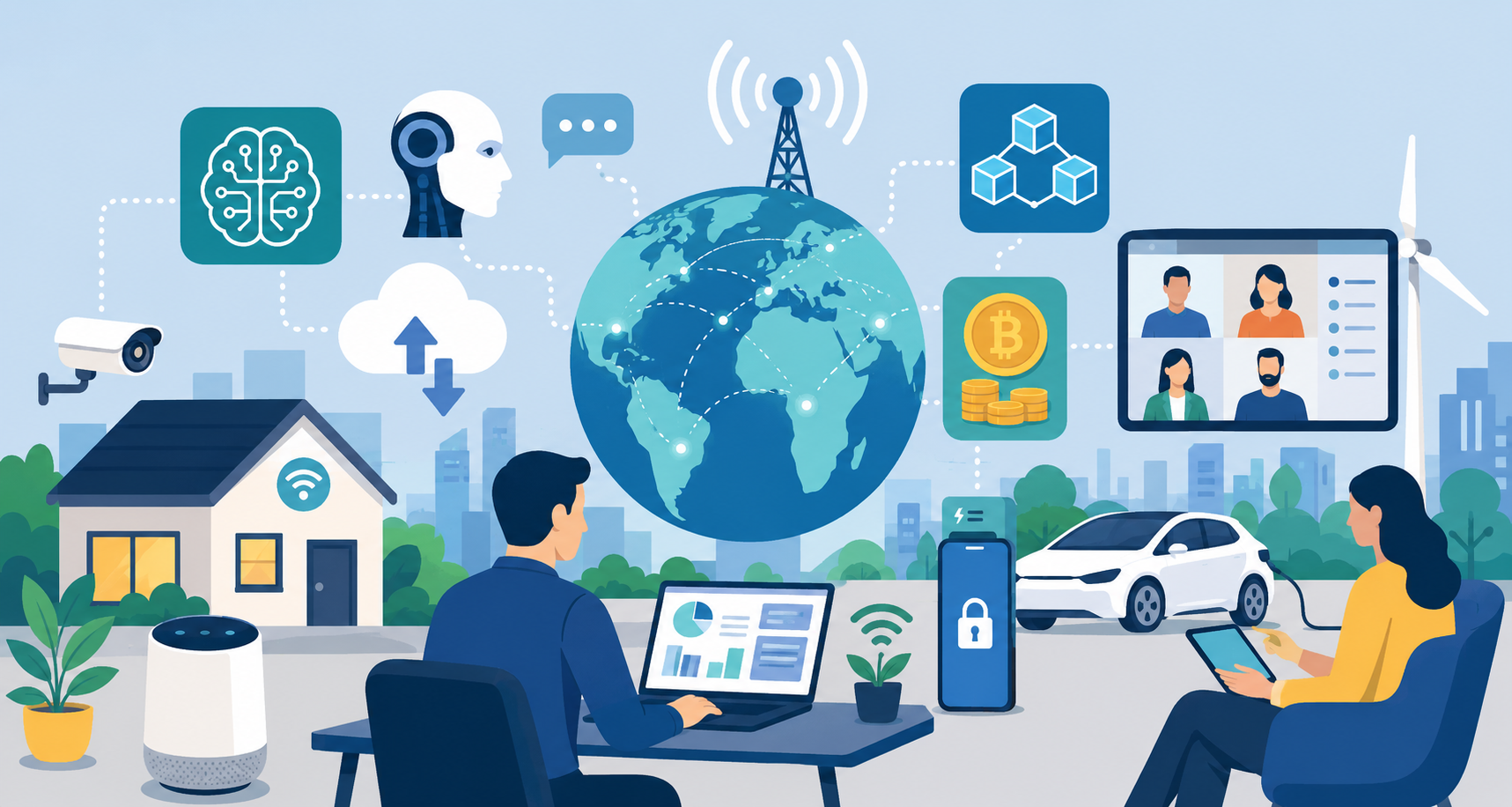
echnology is moving faster than ever, and the changes happening are reshaping how people live, work, communicate, shop, and manage their daily routines. From artificial intelligence becoming part of everyday business operations to smarter homes and faster internet connectivity, modern technology is no longer something people prepare for in the future — it is already influencing daily life right now.
Businesses are adapting to automation, households are becoming more connected, and consumers are expecting faster, smarter, and more personalized digital experiences. Whether you are a business owner, remote worker, student, or casual internet user, understanding today’s biggest tech trends can help you stay informed and make smarter decisions.
As internet-connected services continue to expand, many households are also looking for reliable and affordable connectivity options through providers offering budget-friendly internet plans for modern households.
AI Is Becoming Part of Everyday Life
Artificial intelligence is no longer limited to large tech companies or experimental software. AI tools are now integrated into customer service, online shopping, healthcare, marketing, cybersecurity, and even personal productivity apps.
What makes AI especially important is how accessible it has become. Small businesses, freelancers, and everyday consumers now use AI-powered platforms daily without even realizing it.
Smarter AI Assistants
Virtual assistants like Siri, Alexa, and Google Assistant continue to improve thanks to machine learning and natural language processing. They can now handle more personalized requests, automate routines, and integrate with multiple smart devices simultaneously.
AI assistants are becoming more conversational and context-aware, helping users schedule meetings, control home devices, answer questions, and manage reminders more naturally.
AI in Healthcare
Healthcare providers are increasingly relying on AI-powered diagnostics and predictive analytics to improve patient care.
AI systems are helping doctors identify diseases earlier, analyze medical scans faster, and improve treatment planning. Hospitals are also using automation to reduce administrative workloads and improve patient scheduling systems.
AI for Business Automation
Businesses now use AI to automate repetitive tasks such as:
Customer support
Data analysis
Email sorting
Content recommendations
Appointment scheduling
Marketing optimization
Many companies are also investing in custom software solutions and AI-driven systems through modern business app development services designed for automation and scalability.
5G Expansion Is Improving Connectivity Everywhere
The continued rollout of 5G networks is transforming internet performance across homes, businesses, and mobile devices.
Compared to older network standards, 5G offers significantly faster speeds, lower latency, and stronger support for connected devices. This is helping improve everything from streaming and gaming to remote work and smart city infrastructure.
Faster Streaming and Gaming
5G allows users to stream high-definition content with minimal buffering while supporting cloud gaming services with lower delays.
This is especially important as more entertainment platforms move toward live streaming, virtual experiences, and cloud-based services.
Better Remote Work Experiences
Remote work remains a major part of many industries. Faster connectivity allows teams to collaborate more efficiently using cloud-based platforms, video conferencing tools, and file-sharing systems.
Businesses relying on remote operations are also upgrading their digital infrastructure to support employees working from different locations.
Improved Smart City Technology
Cities around the world are investing in smart infrastructure powered by high-speed connectivity.
This includes:
Smart traffic systems
Connected public transportation
Intelligent surveillance systems
Real-time environmental monitoring
Public Wi-Fi improvements
As connected technology grows, understanding safe online browsing habits for internet-connected devices and networks becomes increasingly important for both businesses and households.
Smart Homes Continue to Get Smarter
Smart home technology is now more affordable and easier to integrate than ever before. Many homeowners are adopting connected devices to improve convenience, energy efficiency, and home security.
Modern smart homes can automate lighting, climate control, entertainment systems, appliances, and security monitoring through a single mobile app or voice assistant.
Smart Security Systems
Homeowners can now monitor cameras, control door locks, and receive real-time alerts directly from their smartphones.
Advanced systems even use AI to recognize familiar faces, detect unusual activity, and reduce false alarms.
Energy-Efficient Automation
Smart thermostats and automated lighting systems help reduce energy consumption by adjusting settings based on occupancy and daily routines.
These systems can lower electricity costs while making homes more environmentally friendly.
Connected Appliances
Modern kitchens and living spaces are increasingly filled with connected devices such as:
Smart refrigerators
Robot vacuums
AI-powered washing machines
Voice-controlled TVs
Automated coffee makers
The convenience of connected living continues to drive consumer interest in home automation technology.
Cybersecurity Is More Important Than Ever
As technology becomes more connected, cybersecurity threats are becoming more advanced.
Businesses and individuals alike face growing risks from phishing attacks, ransomware, identity theft, and data breaches. Because of this, cybersecurity is one of the fastest-growing technology sectors.
AI-Powered Cybersecurity
Ironically, the same AI technology powering automation is also helping improve digital security.
AI-driven cybersecurity tools can:
Detect suspicious activity
Identify unusual login behavior
Prevent fraud
Analyze threats faster than manual systems
These tools help businesses respond to attacks before major damage occurs.
Increased Focus on Personal Privacy
Consumers are becoming more aware of how companies collect and use personal data.
As a result, businesses are placing greater emphasis on privacy policies, secure authentication methods, and transparent data practices.
Multi-Factor Authentication Is Becoming Standard
More apps and websites now require multi-factor authentication to improve account security.
This added layer of protection significantly reduces the chances of unauthorized access.
Blockchain Technology Is Expanding Beyond Cryptocurrency
While cryptocurrency remains the most well-known use case for blockchain, the technology itself is now being used in many other industries.
Blockchain helps create transparent, secure, and decentralized systems for managing data and transactions.
Secure Financial Transactions
Blockchain allows faster and more transparent digital payments without relying heavily on traditional intermediaries.
Financial companies are increasingly exploring blockchain-based payment systems for international transfers and digital banking.
Supply Chain Transparency
Manufacturers and logistics companies use blockchain to track products throughout the supply chain.
This helps improve accountability, reduce fraud, and verify product authenticity.
Digital Ownership and NFTs
NFTs and blockchain-based ownership systems continue to evolve beyond digital art.
Today, they are also being used for:
Event ticketing
Gaming assets
Digital collectibles
Intellectual property verification
Although the market has matured compared to earlier hype cycles, blockchain technology continues to grow in practical business applications.
Remote and Hybrid Work Are Here to Stay
The workplace has permanently changed over the last few years, and companies are continuing to invest in flexible work models and automating daily tasks.
Remote and hybrid work arrangements remain common in technology, marketing, customer service, and many other industries.
Cloud Collaboration Tools
Platforms like Google Workspace, Microsoft Teams, Zoom, and Slack continue to dominate remote collaboration.
These tools help teams communicate, share files, manage projects, and conduct meetings from anywhere.
Virtual Reality Training
Some businesses now use VR and AR systems for employee training and onboarding.
This allows workers to simulate real-world scenarios safely and interactively.
AI-Assisted Hiring
Recruitment platforms increasingly use AI to help screen resumes, analyze candidate qualifications, and automate scheduling.
This helps companies speed up hiring processes while reducing administrative workloads.
Sustainable Technology Is Becoming a Major Priority
Environmental concerns are influencing how technology companies design products and manage operations.
Businesses and consumers alike are paying closer attention to sustainability and energy efficiency.
Green Data Centers
Tech companies are investing in energy-efficient data centers powered by renewable energy sources.
This helps reduce carbon emissions while supporting growing cloud infrastructure demands.
Electric Vehicles and Smart Charging
Electric vehicles continue gaining popularity as charging infrastructure expands globally.
Smart charging systems now help optimize energy use and reduce electricity costs during charging cycles.
Eco-Friendly Consumer Electronics
Manufacturers are introducing devices made from recycled materials while improving repairability and energy efficiency.
Consumers are becoming more interested in longer-lasting, environmentally responsible technology products.
The Growth of Personalized Digital Experiences
Modern consumers expect personalized recommendations and experiences across websites, apps, and online services.
Businesses are using AI, analytics, and behavioral data to customize interactions more effectively.
Personalized Shopping Experiences
Online retailers now tailor product recommendations based on browsing history, preferences, and previous purchases.
This helps improve customer satisfaction and increase conversions.
Streaming Platform Recommendations
Streaming services use AI-driven algorithms to recommend movies, music, and content based on viewing habits.
These systems continue becoming more accurate and personalized over time.
Customized Marketing Campaigns
Businesses are using advanced data analytics to create highly targeted marketing campaigns that match customer interests and behavior patterns.
This allows brands to improve engagement while reducing unnecessary advertising spend.
Why Staying Updated on Tech Trends Matters
Technology evolves quickly, and staying informed helps individuals and businesses remain competitive.
Understanding new trends can help you:
Improve productivity
Make smarter purchasing decisions
Protect your online privacy
Adapt to changing work environments
Discover new business opportunities
The digital world will continue changing rapidly, and those who stay informed are often better prepared for future challenges and opportunities.
Final Thoughts
The biggest tech trends are centered around connectivity, automation, personalization, and smarter digital experiences. Artificial intelligence, 5G networks, cybersecurity, smart homes, blockchain, and hybrid work models are no longer experimental ideas — they are actively shaping how people live and work every day.
As technology continues evolving, businesses and consumers alike must stay adaptable and informed. The companies that embrace innovation responsibly will likely lead the next wave of digital transformation.
Whether you are upgrading your home technology, improving business operations, or simply trying to stay informed about the future, understanding these emerging trends can help you make better decisions in an increasingly connected world.
Frequently Asked Questions
What is the biggest technology trends?
Artificial intelligence remains one of the most influential technology trends because it impacts business automation, customer experiences, healthcare, cybersecurity, and productivity tools.
How is 5G changing internet usage?
5G improves internet speed, reduces latency, and supports more connected devices simultaneously. This enhances streaming, gaming, remote work, and smart city infrastructure.
Are smart homes worth investing in?
Smart homes can improve convenience, security, and energy efficiency. Many homeowners find value in automated lighting, smart security systems, and connected appliances.
Why is cybersecurity becoming more important?
As more devices and services move online, cyber threats continue increasing. Strong cybersecurity practices help protect personal information, financial accounts, and business systems.
Is blockchain only used for cryptocurrency?
No. Blockchain is also used in supply chain management, digital identity verification, secure payments, healthcare records, and digital ownership systems.
Will remote work continue in the future?
Yes. Many companies continue using remote or hybrid work models because they provide flexibility while reducing operational costs.
Related Posts
 Broadband Deals
cheap internet plans
Broadband Deals
cheap internet plans
Spectrum Internet Cost After 12 Months Explained
Learn how much Spectrum Internet costs after promotional pricing ends. Discover standard rates, billing factors, and ways to reduce monthly costs.
 Internet Bundles
Broadband Deals
Internet Bundles
Broadband Deals
Best Rural Internet Providers to Keep You Connected in 2026
Discover the best rural internet providers in 2026. Compare Xfinity, CenturyLink, and Viasat by speed, pricing, reliability, and coverage.
 Broadband Deals
cheap internet deals
cheap internet plans
Broadband Deals
cheap internet deals
cheap internet plans
Portland ISP Providers: How to Find the Best Internet Service
Compare Portland ISP providers, internet speeds, pricing, and availability. Learn how to choose the best internet service for your home or business.
 Internet Bundles
AT&T Business Internet: Plans, Speeds & Benefits Explained
Learn everything about AT&T Business Internet, including plans, speeds, fiber availability, pricing, features, equipment, and how to choose the best option.
 Broadband Deals
Internet Bundles
Broadband Deals
Internet Bundles
Comcast TV and Internet Bundles: Are They Still Worth It
Explore Comcast TV and internet bundles in 2026. Compare benefits, costs, package options, and discover whether a bundled plan fits your needs.