Top 5 States for Remote Workers With Best Internet Access

Remote work has transformed where people choose to live. Instead of being tied to major business hubs, professionals now have the flexibility to work from virtually anywhere—as long as they have a reliable internet connection.
For remote employees, freelancers, entrepreneurs, and digital nomads, internet reliability is no longer just a convenience. It’s a necessity. Video meetings, cloud-based applications, large file transfers, and collaborative tools all depend on fast and stable connectivity.
That’s why choosing a location with excellent broadband infrastructure can make a significant difference in productivity and work-life balance. In this guide, we’ll explore the top five states that offer outstanding connectivity for remote professionals and explain what makes them ideal places to live and work.
Why Internet Quality Matters for Remote Workers
A poor connection can disrupt meetings, slow down project delivery, and create unnecessary frustration throughout the workday.
Today’s remote workforce relies heavily on:
Video conferencing platforms
Cloud storage services
Project management software
Online collaboration tools
Virtual private networks (VPNs)
AI-powered productivity platforms
Before relocating, many professionals review an internet coverage map to determine whether a specific area can support their daily workload.
While affordability, housing, and lifestyle matter, internet infrastructure often becomes the deciding factor when comparing the best states for remote work.
What Makes a State Ideal for Remote Work?
Several factors contribute to a remote-friendly environment:
Strong Broadband Availability
Reliable broadband should be accessible in both urban and suburban areas.
Multiple Provider Options
Competition among internet providers generally leads to better service quality and pricing.
Fiber and High-Speed Networks
States with growing fiber infrastructure typically offer higher speeds and greater reliability.
Remote Work-Friendly Communities
Many states now actively attract remote workers through relocation incentives, coworking spaces, and supportive local economies.
1. Virginia
Virginia consistently ranks among the best locations for remote professionals thanks to its advanced broadband infrastructure and proximity to major technology corridors.
The state has invested heavily in expanding internet access across both metropolitan and rural regions. Many communities benefit from fiber internet availability, making it easier for residents to maintain stable work connections.
Northern Virginia, in particular, serves as one of the country’s largest internet and data center hubs.
Why Remote Workers Love Virginia
Excellent broadband reliability
Strong technology ecosystem
Access to major East Coast cities
Growing fiber deployment
Virginia also offers a balanced mix of suburban living, outdoor recreation, and professional opportunities.
2. Washington
Washington combines exceptional internet infrastructure with a thriving remote work culture.
The state’s technology-driven economy has encouraged continuous investment in broadband expansion. Cities like Seattle receive much of the attention, but many surrounding areas also offer impressive connectivity.
Remote workers who enjoy outdoor activities often find Washington particularly attractive because they can enjoy both high-speed internet and access to mountains, forests, and coastlines.
Key Advantages
Extensive fiber availability
Strong tech industry presence
Reliable statewide broadband networks
Excellent quality of life
For workers seeking both career flexibility and natural beauty, Washington remains a top choice.
3. Colorado
Colorado has become a favorite destination for remote professionals over the last several years.
Beyond its scenic landscapes and active lifestyle, the state offers increasingly strong broadband infrastructure throughout many regions. Urban centers and growing suburban communities continue to benefit from network upgrades and expanded coverage.
Why Colorado Stands Out
Strong internet expansion initiatives
Remote work-friendly communities
Thriving startup ecosystem
Attractive lifestyle benefits
Many professionals appreciate Colorado’s ability to combine connectivity, affordability, and recreation in one location.
4. Utah
Utah has emerged as one of the most underrated destinations for remote workers.
The state boasts impressive broadband access, growing technology sectors, and business-friendly policies. Areas along the Wasatch Front enjoy particularly strong connectivity, while rural broadband improvements continue to expand access throughout the state.
Utah’s growing reputation as a technology hub has accelerated investment in digital infrastructure.
Benefits for Remote Professionals
Fast-growing fiber networks
Affordable living compared to many coastal states
Strong job market
Family-friendly communities
The combination of modern infrastructure and economic growth makes Utah increasingly attractive for distributed teams and independent professionals.
5. North Carolina
North Carolina continues to gain popularity among remote workers thanks to its affordable living costs and expanding broadband availability.
The state has made substantial investments in improving internet access across both urban and rural communities. Cities such as Raleigh and Charlotte have become magnets for technology professionals seeking lower costs without sacrificing connectivity.
Reasons to Consider North Carolina
Competitive internet market
Expanding fiber coverage
Lower cost of living
Growing technology sector
For professionals looking to maximize both affordability and connectivity, North Carolina offers an appealing balance.
Understanding Coverage Maps Before You Move
Internet availability can vary significantly between neighborhoods, even within the same city. Before relocating for remote work, it’s important to verify provider availability and network performance in your target area. Using resources such as broadband coverage USA can help you compare service options and identify locations with reliable high-speed connectivity before making a move.
Some commonly referenced tools include the xfinity internet coverage map, tmobile home internet coverage map, verizon home internet coverage map, and spectrum internet coverage map. Reviewing these resources can help remote workers identify areas with stronger connectivity before signing a lease or purchasing a home.
How to Choose the Right Internet Plan for Remote Work
Moving to a well-connected state is only part of the equation. Selecting the right plan is equally important.
Factors to consider include:
Download and Upload Speeds
Video conferencing and cloud collaboration require strong upload performance.
Data Limits
Unlimited plans are often best for full-time remote professionals.
Reliability
Consistent uptime is often more important than advertised peak speeds.
Many professionals compare the top internet plans for remote work and online learning before committing to a provider.
Staying Connected While Traveling
Not every remote worker stays in one location year-round.
Some professionals work from RVs, vacation rentals, or temporary accommodations. In these situations, having a backup connectivity strategy becomes essential.
Learning how to get the internet while traveling can help maintain productivity regardless of location.
Productivity Tools Matter Too
A fast internet connection creates the foundation for remote work success, but technology tools can further improve efficiency.
From automation platforms to AI-powered assistants, digital tools help streamline repetitive tasks and reduce administrative workload.
Many professionals rely on the best AI tools for automating daily work faster to improve productivity throughout the workday.
Creating an Efficient Home Office
Even with excellent internet service, your work environment still plays a major role in performance.
Proper equipment, network optimization, ergonomic furniture, and workspace organization can significantly improve daily productivity.
For additional setup ideas, explore these best work-from-home tech tips that help remote professionals work more comfortably and efficiently.
Conclusion
Reliable internet access has become one of the most important factors influencing where remote professionals choose to live.
Virginia, Washington, Colorado, Utah, and North Carolina stand out because they offer strong broadband infrastructure, expanding fiber networks, competitive provider options, and lifestyles that appeal to modern remote workers.
Before making a move, always research local service availability, compare providers, and evaluate internet performance at the neighborhood level. Doing so can help ensure a seamless remote work experience and support long-term productivity.
Frequently Asked Questions
1. Which state has the best internet access for remote workers?
Virginia is often considered one of the strongest options due to its extensive broadband infrastructure.
2. Is fiber internet necessary for remote work?
No, but fiber generally provides the best speed, reliability, and upload performance.
3. How can I check internet availability before moving?
Use provider coverage maps and local broadband availability tools.
4. What internet speed is recommended for remote work?
At least 100 Mbps is recommended for most full-time remote professionals.
5. Do rural areas have reliable internet for remote work?
Many do, but availability varies significantly by location and provider.
Related Posts
 Broadband Deals
cable deal
cheap internet deals
Technology
Broadband Deals
cable deal
cheap internet deals
Technology
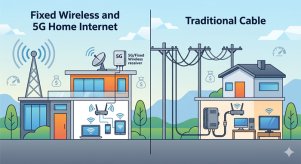
Fixed Wireless vs 5G Home Internet: Better Than Cable?
Compare fixed wireless and 5G home internet with cable internet. Learn the pros, cons, speeds, costs, and which option fits your home best.
 Regulations
Technology
Regulations
Technology
What Is Powerline Internet? Everything You Need to Know
Learn what Powerline Internet is, how it works, its pros and cons, speed, setup, and whether it’s the best solution for extending reliable internet at home.
 Broadband Deals
cheap internet plans
Broadband Deals
cheap internet plans
Spectrum Internet Cost After 12 Months Explained
Learn how much Spectrum Internet costs after promotional pricing ends. Discover standard rates, billing factors, and ways to reduce monthly costs.
 Internet Bundles
Broadband Deals
Internet Bundles
Broadband Deals
Best Rural Internet Providers to Keep You Connected in 2026
Discover the best rural internet providers in 2026. Compare Xfinity, CenturyLink, and Viasat by speed, pricing, reliability, and coverage.
 Broadband Deals
cheap internet deals
cheap internet plans
Broadband Deals
cheap internet deals
cheap internet plans
Portland ISP Providers: How to Find the Best Internet Service
Compare Portland ISP providers, internet speeds, pricing, and availability. Learn how to choose the best internet service for your home or business.