The Hidden Internet Wi-Fi Fees That Inflate Your Monthly Bill
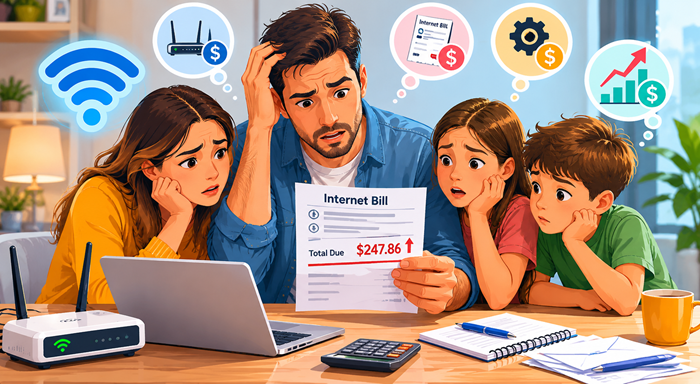
Most people sign up for home internet expecting one simple monthly payment. Then the first bill arrives — and suddenly the price looks nothing like the promotional offer they agreed to.
From equipment rentals and activation charges to service add-ons buried in the fine print, internet companies have mastered the art of making plans look cheaper than they really are. These extra costs often go unnoticed until they quietly push your monthly total far beyond the advertised rate.
If you’ve ever wondered why your internet bill keeps climbing despite signing up for an affordable plan, you’re not alone. Understanding these hidden fees can help you avoid overspending and choose a service that actually fits your budget long term.
In this guide, we’ll break down the most common internet charges providers don’t always highlight upfront, explain how to spot them before signing up, and show you how to lower your monthly costs without sacrificing reliability.
Why Internet Bills Rarely Match the Advertised Price
Internet providers often promote their lowest possible monthly rate to attract new customers. While technically accurate, those offers usually come with conditions hidden in terms and disclosures.
The advertised price may exclude taxes, equipment costs, installation fees, network surcharges, or promotional expiration increases. In some cases, your bill can nearly double after the first few months.
This is especially common with bundled plans that include television, mobile service, or phone packages. While bundles can provide value, they also create more opportunities for extra charges that are easy to miss.
That’s why comparing plans carefully matters just as much as comparing speeds.
If you’re researching options, looking at the best Internet providers can help you understand what transparent pricing actually looks like before committing to a contract.
The Most Common Hidden Internet Fees
Equipment Rental Charges
One of the biggest recurring costs comes from renting equipment from your provider.
Many companies charge monthly fees for modems, routers, or gateway devices. While $10 to $20 per month may not sound like much initially, it adds hundreds of dollars over time.
Some providers also charge separate fees for Wi-Fi extenders or advanced security features bundled into the equipment package.
Buying your own compatible modem and router is often cheaper in the long run. Before purchasing, check your provider’s approved equipment list to avoid compatibility issues.
Installation and Activation Fees
Setup fees are another common surprise.
Some providers advertise “free installation,” but later add activation charges, technician fees, or delivery costs during checkout. Professional installation appointments can add anywhere from $50 to $150 depending on the provider and service type.
Self-install kits may reduce these costs, though they can still include shipping or activation charges hidden in the order summary.
Promotional Pricing Expiration
Many internet plans offer discounted introductory pricing for 12 to 24 months. Once the promotional period ends, the monthly rate increases automatically.
This is one of the most overlooked reasons bills rise unexpectedly.
Customers often forget when the promotion expires because providers rarely emphasize the future rate during signup.
Reading the terms carefully before enrolling can save you from unpleasant surprises later.
If you want a deeper understanding of how providers structure pricing, this guide on unlocking the secrets to cheap internet explains why advertised deals sometimes look better than they actually are.
Data Caps and Overage Fees
What Are Data Caps?
Some providers place monthly limits on how much data you can use. Once you exceed that limit, additional charges may apply.
Streaming, gaming, remote work, and smart home devices can consume far more data than many households realize.
Even families that don’t consider themselves heavy users can unexpectedly exceed their monthly allowance.
Overage Charges Add Up Fast
Data overage fees vary by provider but can become expensive quickly.
Some companies charge per block of additional data, while others automatically upgrade customers into higher-priced plans after repeated overages.
Customers searching for predictable billing often prefer plans without strict limits. That’s one reason many households now compare unlimited internet plans in the USA before choosing a provider.
Regional Fees and Network Surcharges
Internet providers sometimes include regional infrastructure charges, regulatory recovery fees, or network maintenance surcharges.
These costs are rarely highlighted in advertisements because they technically aren’t part of the base package price.
While some charges are legitimate operational costs, others function more like hidden profit margins.
Unfortunately, these fees can be difficult to avoid entirely because they’re automatically added to monthly statements.
The key is knowing they exist before choosing a plan.
Early Termination Fees
Many discounted internet plans require contracts.
If you cancel before the contract period ends, providers may charge early termination penalties ranging from $100 to several hundred dollars.
Customers often encounter these charges when moving, switching providers, or changing bundled services.
Before signing any agreement, confirm:
Contract length
Cancellation terms
Transfer options
Promotional obligations
Flexible no-contract plans sometimes cost slightly more upfront but may save money long term.
Optional Add-Ons That Quietly Increase Costs
Security Packages
Some providers automatically include advanced antivirus software, identity protection, or cloud storage services during signup.
While useful for some households, these extras can increase your monthly bill significantly over time.
Streaming Bundles
Free streaming promotions occasionally convert into paid subscriptions after the trial period ends.
Customers may not notice the added charges for months if they overlook billing details.
Premium Tech Support
Certain providers offer premium support subscriptions covering device troubleshooting and home network optimization.
These programs are often optional but can appear pre-selected during checkout.
Review every line item carefully before finalizing your order.
Why Wi-Fi Performance Issues Sometimes Lead to Higher Bills
Many households assume slow speeds mean they need a more expensive internet plan.
In reality, poor router placement, outdated hardware, or network congestion may be the real problem.
Before upgrading your service tier, troubleshoot your home setup first.
Simple improvements like repositioning your router, reducing interference, or upgrading old hardware can often improve performance dramatically.
If your connection struggles during everyday use, these practical tips to speed up a slow internet connection may help without requiring a more expensive plan.
No-Credit-Check Plans and Hidden Costs
Some consumers choose prepaid or flexible internet services because they don’t want long-term contracts or hard credit inquiries.
These plans can provide valuable flexibility, but it’s still important to review all associated costs carefully.
Some providers compensate for reduced qualification requirements by adding higher equipment charges, prepaid deposits, or setup fees.
If you’re exploring alternatives, understanding how internet without a credit check works can help you compare pricing more accurately.
Comparing Providers the Smart Way
Don’t Compare Based on Price Alone
A low advertised rate doesn’t automatically mean better value.
When comparing providers, always calculate:
Equipment costs
Taxes and surcharges
Data limits
Contract obligations
Promotional expiration dates
Installation fees
A slightly higher monthly plan with transparent pricing may ultimately cost less than a cheaper-looking package loaded with hidden charges.
Read the Full Pricing Breakdown
Before signing up, ask providers for a complete monthly estimate including all recurring and one-time fees.
This helps eliminate surprises and gives you a realistic picture of what you’ll actually pay.
Consumers researching the Xfinity hidden fees list often discover how much pricing can vary once equipment rentals and surcharges are included.
Similarly, customers evaluating verizon wi-fi packages frequently compare long-term pricing stability rather than just promotional rates.
How to Lower Your Monthly Internet Costs
Buy Your Own Equipment
Purchasing your own modem and router can eliminate recurring rental fees entirely.
Over time, this is one of the easiest ways to reduce long-term internet expenses.
Negotiate Before Your Promotion Ends
Contact your provider before your introductory pricing expires.
Many companies offer retention discounts or updated promotions to keep existing customers from switching.
Avoid Unnecessary Add-Ons
Review your statement regularly for services you no longer use.
Streaming trials, security bundles, and premium support plans can quietly accumulate over time.
Monitor Your Data Usage
Understanding your monthly usage can help you avoid overage charges and unnecessary plan upgrades.
Some households pay for far more speed and data than they actually need.
The Bottom Line on Hidden Internet Fees
Internet service pricing has become increasingly complex, making it harder for consumers to know what they’ll truly pay each month.
While promotional deals may look attractive upfront, hidden costs often tell a very different story once the bill arrives.
The best way to protect your budget is to read the fine print carefully, compare total monthly costs instead of advertised rates, and ask providers direct questions before signing up.
A little extra research upfront can save hundreds of dollars over the life of your internet plan.
FAQs
Why does my internet bill increase after a few months?
Promotional pricing often expires after the introductory period ends.
Can I avoid modem rental fees?
Yes, many providers allow customers to use their own compatible equipment.
Are unlimited data plans worth it?
They can help households avoid costly overage charges and billing surprises.
What is the easiest way to reduce internet costs?
Removing unnecessary add-ons and buying your own router can lower monthly expenses.
Do all providers charge hidden fees?
Not all do, but many include extra costs beyond the advertised monthly rate.
Related Posts
 Broadband Deals
cheap internet deals
cheap internet plans
Broadband Deals
cheap internet deals
cheap internet plans
Portland ISP Providers: How to Find the Best Internet Service
Compare Portland ISP providers, internet speeds, pricing, and availability. Learn how to choose the best internet service for your home or business.
 Internet Bundles
AT&T Business Internet: Plans, Speeds & Benefits Explained
Learn everything about AT&T Business Internet, including plans, speeds, fiber availability, pricing, features, equipment, and how to choose the best option.
 Broadband Deals
Internet Bundles
Broadband Deals
Internet Bundles
Comcast TV and Internet Bundles: Are They Still Worth It
Explore Comcast TV and internet bundles in 2026. Compare benefits, costs, package options, and discover whether a bundled plan fits your needs.
 cheap internet offers
How to Manage Dish Network Internet Data
Learn how to monitor and manage Dish Network Internet data usage with simple tools, smart tips, and optimization strategies to avoid overages.
 cheap internet offers
Broadband Deals
cheap internet offers
Broadband Deals
How to Decode Your Internet Bill and Spot Hidden Fees
Learn how to read your internet bill, identify hidden fees, challenge unnecessary charges, and lower your monthly internet costs with confidence.