How to Find the Least Expensive ISP Without Losing Speed
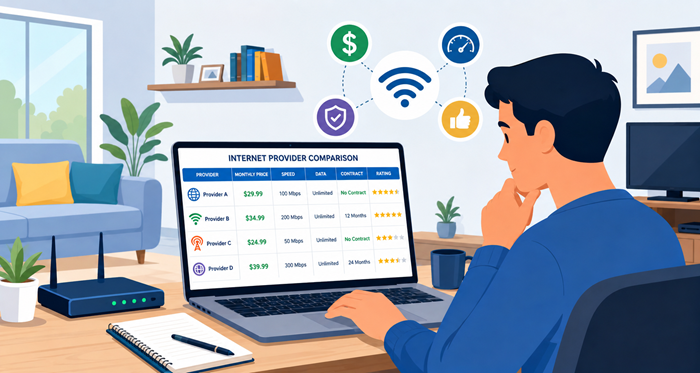
Finding quality internet at a reasonable price can feel overwhelming. With dozens of providers advertising low monthly rates, promotional discounts, and high-performance packages, it’s often difficult to determine which option actually delivers the best value.
Many consumers assume that choosing the least expensive isp means settling for slow connections, buffering videos, and unreliable service. Fortunately, that isn’t always the case. Today’s internet market is highly competitive, and many providers offer affordable plans that deliver dependable performance for streaming, remote work, online gaming, and everyday browsing.
The key is knowing how to compare plans correctly. Instead of focusing only on the advertised monthly price, you need to evaluate speed, reliability, fees, contract terms, and long-term costs. By taking a strategic approach, you can find a provider that fits your budget without compromising the online experience your household needs.
In this guide, you’ll learn how to identify the best low-cost internet options available, compare providers effectively, and avoid common mistakes that can lead to higher bills down the road.
Why the Cheapest Internet Plan Isn’t Always the Best Deal
Most providers advertise introductory prices designed to attract new customers. While these promotions can look appealing, they don’t always tell the whole story.
A plan that appears inexpensive may include equipment rental fees, installation costs, data overage charges, or price increases after the promotional period ends. When these expenses are added together, the overall cost can be significantly higher than expected.
Before committing to any provider, look beyond the advertised rate and calculate the true monthly expense. Understanding the complete cost of service helps ensure you’re making a financially smart decision.
Determine How Much Speed You Actually Need
One of the biggest reasons people overspend on internet service is purchasing more bandwidth than they require.
Before comparing plans, consider how your household uses the internet on a daily basis.
Light Users
Light internet users typically:
Check email
Browse websites
Use social media
Shop online
These activities generally require only basic service plans.
Moderate Users
Moderate users often:
Stream HD video
Attend virtual meetings
Work from home
Connect several devices simultaneously
A mid-tier plan usually provides more than enough performance.
Heavy Users
Heavy users commonly:
Stream 4K content
Play online games
Upload large files
Operate multiple smart devices
These households benefit from higher-capacity plans that can handle greater demand.
Understanding your actual needs prevents unnecessary spending while ensuring a smooth online experience.
Compare All Providers Available in Your Area
The first step toward saving money is identifying every provider that services your location.
Different neighborhoods often have access to different technologies and pricing structures. Some areas may offer fiber connections, while others primarily rely on cable, DSL, or fixed wireless services.
Researching all available options allows you to compare prices, contract terms, and service quality side by side.
A great place to start is reviewing available internet service providers in my area to understand which companies offer the strongest combination of affordability and performance.
Understand the Different Types of Internet Connections
The type of connection available at your address can significantly impact both cost and performance.
Fiber Internet
Fiber internet is widely considered the gold standard for residential connectivity.
Benefits include:
Fast downloads
Fast uploads
Low latency
Excellent reliability
Many providers now offer entry-level fiber plans that are surprisingly affordable.
Cable Internet
Cable remains one of the most popular options for residential customers.
It typically provides strong performance and broad availability, making it a practical choice for many households.
Fixed Wireless Internet
Fixed wireless services can provide a cost-effective solution for rural and suburban communities where wired infrastructure is limited.
DSL Internet
Although DSL is generally slower than fiber and cable, it may still be sufficient for light internet users seeking lower monthly costs.
Compare Internet Plans Beyond Monthly Pricing
When evaluating providers, don’t focus exclusively on the advertised rate.
Instead, compare factors such as:
Contract length
Equipment costs
Data allowances
Customer support
Reliability
Included features
Some providers include free modem rentals, security software, or unlimited data, which can improve overall value.
Consumers looking to maximize savings should also explore current promotions and best home internet deals when comparing available plans.
Watch Out for Hidden Fees
Unexpected charges are one of the biggest reasons internet bills exceed expectations.
Common fees include:
Installation charges
Equipment rental costs
Activation fees
Service maintenance fees
Early termination penalties
Always review the provider’s pricing details carefully before signing up.
Transparent pricing is often a good indicator of a customer-focused provider.
Evaluate Reliability Before Choosing a Provider
Price matters, but reliability should never be overlooked.
An inexpensive plan loses its value if service interruptions frequently disrupt your work, entertainment, or communication.
Research customer reviews and service ratings to identify providers with strong reputations for network stability and customer satisfaction.
Reliable internet often delivers better long-term value than the lowest-priced option available.
Consider Budget-Friendly Plans Designed for Cost-Conscious Households
Many providers now offer plans specifically designed for consumers seeking lower monthly expenses.
These packages often include:
No annual contracts
Reduced installation fees
Flexible payment options
Competitive pricing
If affordability remains your primary goal, resources focused on reliable and cheap internet near me can help narrow your search and identify practical options.
Test Your Current Service Before Upgrading
Many consumers assume they need a more expensive plan when their connection slows down.
However, poor performance may result from:
Outdated equipment
Weak Wi-Fi coverage
Device limitations
Network congestion
Running an internet speed test can help determine whether your current plan is underperforming or if another issue is affecting connectivity.
Understanding the root cause may save you from paying for unnecessary upgrades.
Learn How to Negotiate Better Pricing
Many internet customers don’t realize that providers are often willing to offer discounts to retain business.
You may be able to secure lower pricing by:
Asking about current promotions
Requesting loyalty discounts
Bundling services
Comparing competitor offers
Even a modest monthly reduction can result in significant annual savings.
Use Comparison Resources to Make Smarter Decisions
Comparing plans manually can be time-consuming.
Fortunately, online resources simplify the process by organizing pricing, availability, and features in one place.
Learning proven tips for finding cheap internet providers can help you identify plans that provide strong value without sacrificing performance.
Conclusion
Finding the right internet provider isn’t simply about choosing the lowest advertised price. The best value comes from balancing affordability, reliability, speed, and long-term costs.
By understanding your household’s needs, comparing providers carefully, reviewing fees, and evaluating service quality, you can confidently select an internet plan that fits your budget while still delivering dependable performance.
With the right research, it’s entirely possible to find a low-cost internet solution that keeps your household connected without stretching your finances.
FAQs
1. What should I look for when choosing a low-cost ISP?
Compare pricing, reliability, data limits, fees, and customer reviews.
2. Is fiber internet always more expensive?
No, many providers now offer competitively priced fiber plans.
3. Can I get good internet without a contract?
Yes, many providers offer no-contract plans with reliable performance.
4. How often should I compare internet providers?
Review available options at least once per year to find better deals.
5. Do promotional internet prices last forever?
No, most promotional rates eventually increase after the introductory period ends.
Related Posts
 Technology
Wifi
mobile phone plans
Technology
Wifi
mobile phone plans
What Is a Mobile Hotspot and How Does It Work?
A mobile hotspot is a portable feature or device that converts a cellular data connection (like 4G LTE or 5G) into a private Wi-Fi network
 Broadband Deals
cable deal
Broadband Deals
cable deal
Xfinity Cable Package Deals That Actually Deliver Value
Discover the best Xfinity cable package deals, compare internet and TV bundles, understand pricing, and choose the right plan for your home and budget.
 Broadband Deals
What Is TDS Internet and Is It Right for Your Home?
Learn what TDS Internet is, how it works, available plans, pricing, speeds, benefits, and how it compares with other internet providers.
 Internet Bundles
Bundle Internet, TV, and Phone Without Overpaying
Learn how to bundle internet, TV, and phone services for the best value. Compare plans, avoid hidden fees, and choose the right package for your home.
 Broadband Deals
cable deal
cheap internet deals
Broadband Deals
cable deal
cheap internet deals
Chicago Neighborhood Internet Guide for Better Connectivity
Explore internet options across Chicago neighborhoods, compare providers, understand speeds, costs, and find the best broadband solution.