Affordable Internet in Rural Areas: Satellite, Fixed Wireless, and Subsidies
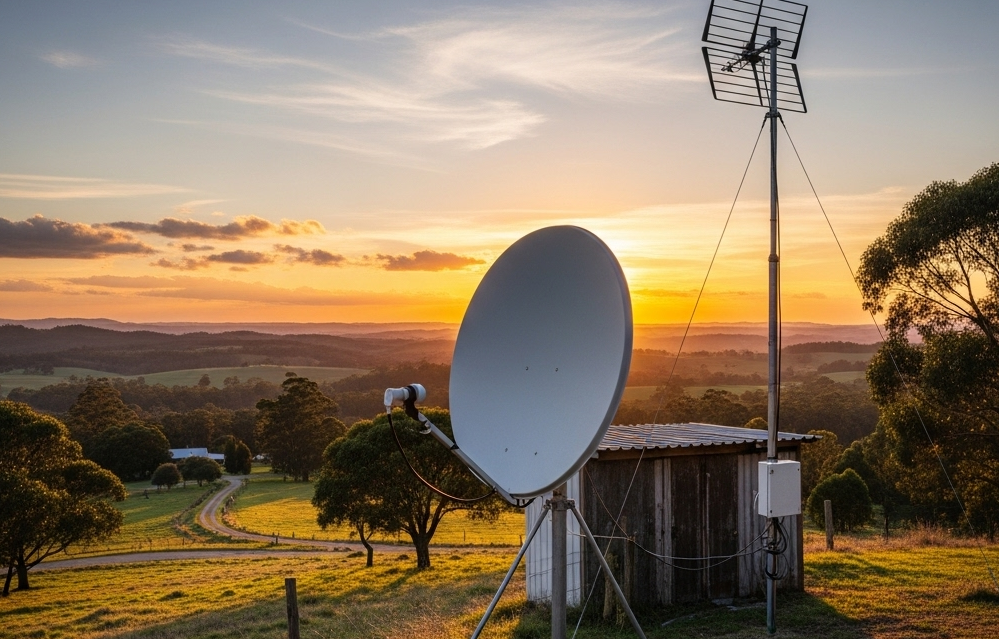
If you live in a rural area, you probably know the struggle of slow, expensive, or unreliable internet. The good news? Affordable internet is no longer out of reach. With options like satellite internet, fixed wireless, and ISP subsidy programs, you now have real choices that fit both your needs and budget.
Whether you’re working from home, streaming movies, or helping your kids with online classes, let’s break down the best rural internet solutions and how to get the most value.
Satellite Internet: Coverage Almost Everywhere
For rural communities where cable or fiber lines don’t reach, satellite internet is often the only option.
Starlink delivers speeds of 50–250 Mbps with wide coverage across the U.S. It’s faster than traditional satellite, though equipment costs ($599+) and monthly fees (~$120) are higher.
Viasat and HughesNet are more budget-friendly ($50–$80/month) but come with slower speeds and data caps.
Best for: Remote households with no other internet option.
Fixed Wireless Internet: Reliable and Affordable
Fixed wireless connects your home to nearby cell towers, delivering a stable connection without cables.
Providers like T-Mobile Home Internet, Verizon 5G Home, and Rise Broadband are growing fast in rural America.
Plans average $40–$60/month and usually include unlimited data.
Best for: Rural towns with decent cellular coverage.
Subsidies & Discount Programs
For families on a tight budget, ISP-based programs are lifesavers:
Xfinity Internet Essentials – as low as $9.95/month.
AT&T Access – $30/month for qualifying households.
Spectrum Internet Assist – discounted broadband for eligible families.
Some rural co-ops and municipal broadband networks also offer community-driven plans at reduced rates.
Quick Comparison: Rural Internet Options
| Option | Price Range | Speed Range | Best For | Downsides |
|---|---|---|---|---|
| Satellite (Starlink, HughesNet, Viasat) | $50–$120/mo (+ equipment) | 25–250 Mbps | Remote areas with no wired options | High latency, costly equipment |
| Fixed Wireless (T-Mobile, Verizon, Rise) | $40–$60/mo | 50–300 Mbps | Areas with cell tower coverage | Speed may vary with signal/weather |
| Subsidy Programs (Xfinity Essentials, AT&T Access) | $10–$30/mo | 25–100 Mbps | Low-income households | Limited eligibility, fewer regions |
Which Option Should You Choose?
Need coverage anywhere? Go satellite.
Want cheaper unlimited data? Fixed wireless is your best bet.
On a tight budget? Check subsidy programs and rural co-ops.
The key is comparing what’s available in your zip code before signing up.
Pro Tip: Don’t overpay — find the cheapest internet plans near you here. You might be surprised how much you can save each month.
Final Takeaway
Rural households finally have more than one way to get connected. From Starlink to T-Mobile Home Internet to discounted subsidy programs, affordable internet is no longer just a dream. With the right plan, you can enjoy fast, reliable service without draining your wallet.
Related Posts
 Safety
How to Shop Online Safely and Avoid Common Scams
Learn how to shop safely online by avoiding scams, protecting personal data, securing payments, and building smart long-term shopping habits.
 Regulations
Safety
Regulations
Safety
What Is Background Data Usage? Pros and Cons Explained
Learn what background data usage is, its benefits and drawbacks, how it affects internet consumption, and practical ways to reduce data usage.
 Regulations
Technology
Regulations
Technology
Why Fiber Internet Coverage Remains Limited in Some Areas
Learn why fiber internet is still unavailable in many areas, from infrastructure costs to regulations, and what alternatives exist while waiting for expansion.
 cheap internet plans
Subscription
cheap internet plans
Subscription
Frontier TV and Internet Packages Worth Considering Today
Explore Frontier TV and internet packages, compare speeds, features, bundle benefits, pricing options, and find the right plan for your home.
 cheap internet offers
How to Find Cheap Internet That Doesn't Feel Cheap
Learn how to get affordable internet without sacrificing speed. Compare providers, optimize your network, and save on your monthly bill with smart strategies.